

Because Every Pool Is Different Heating Designed Around Your Needs
Florida’s mild winters can still make your pool too chilly to enjoy. Whether you swim for fitness, relaxation, or family time, having the right heating system means your water stays ready when you are — extending your comfort and swim season beyond summer.
At Roark Solar, we design, install, and service pool and spa heating systems tailored to how you use them. From quiet, energy-efficient electric heat pumps to powerful gas heaters that deliver fast, reliable warmth, we offer pool and spa heating solutions designed to extend comfort and maximize performance throughout the year.
The Right System for the Way You SwimServices & Solutions
No two pools — or swimmers — are exactly alike. That’s why Roark installs and services every major type of pool heating system. Whether you prefer steady, efficient warmth or fast, on-demand heating, we’ll help you choose the system that fits your home, your climate, and your swimming habits.
Inverter Heat Pumps
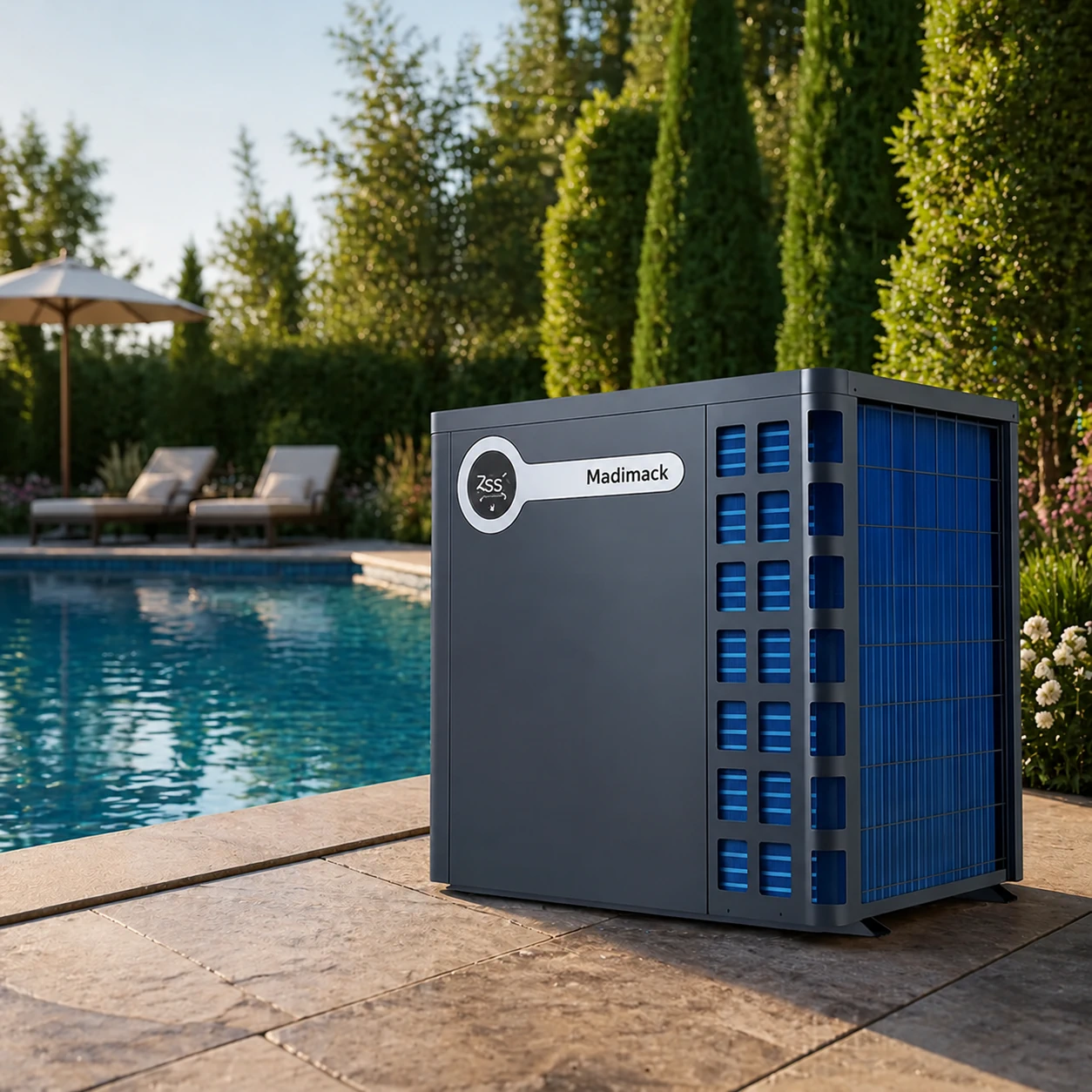
Inverter heat pumps represent the most advanced electric pool heating technology available today. Like standard heat pumps, they extract heat from the air — but they use variable-speed inverter technology to adjust output automatically based on demand.
Instead of cycling fully on and off, inverter heat pumps run continuously at lower speeds to maintain your target temperature more precisely. This results in quieter operation, smoother performance, and lower long-term energy costs — especially for pools used frequently or year-round.
Best for: homeowners who swim often, value quiet operation, and want the highest level of efficiency and temperature control.
Electric Heat Pumps
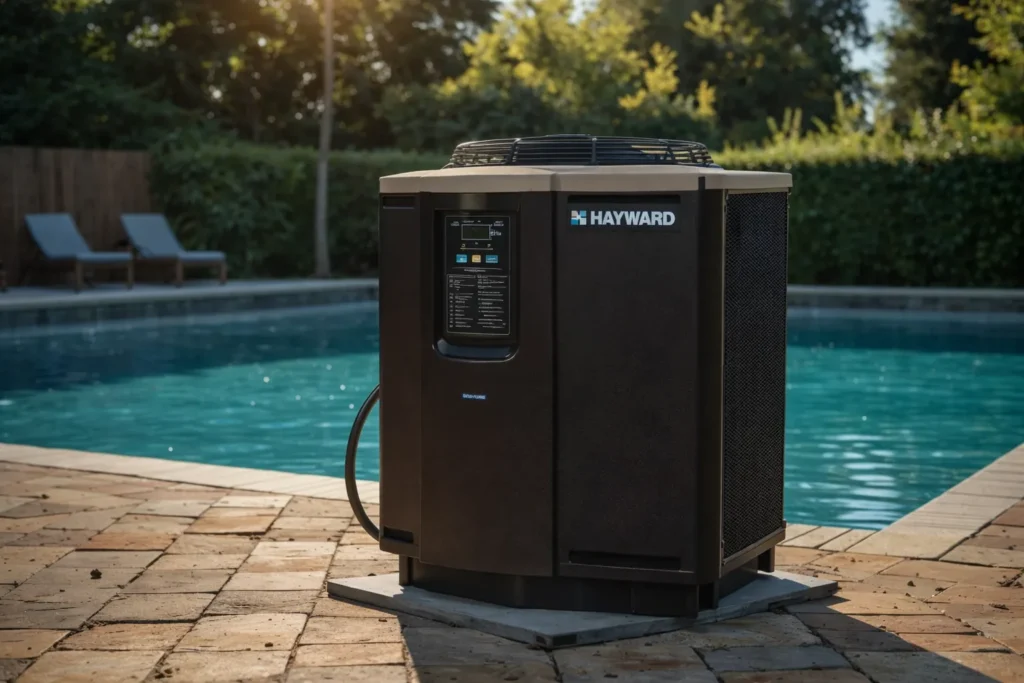
Electric heat pumps are a popular choice for Sarasota homeowners who want efficient, low-maintenance pool heating. They draw warmth from the surrounding air and transfer it into your pool water, delivering steady temperature increases with significantly less energy use than gas heaters.
Standard Electric Heat Pumps use a fixed-speed compressor that cycles on and off as needed. They’re dependable, cost-effective, and well-suited for moderate heating demands and seasonal pool use.
Best for: homeowners looking for reliable, energy-efficient heating with a lower upfront investment.
Gas Pool Heaters

When quick heat is the priority, gas delivers. Ideal for spas and pools used intermittently or on cooler days, gas heaters raise water temperature rapidly and maintain it regardless of outside conditions. Roark installs high-efficiency, low-NOx models designed for clean combustion and long-term reliability.
Best for: spas, occasional pool use, and anyone who wants instant heat at the push of a button.
Thinking About Solar Hybrid Systems?
For the best balance of performance and efficiency, Roark installs solar hybrid systems that pair a solar pool heater with either a gas heater or an electric heat pump.
Contact us for a quick conversation about your pool heating needs, and we’ll recommend the right system for your pool.
Prefer to talk now?
Call or Text 941-924-3016

Proudly Serving Sarasota, Manatee, and Charlotte Counties
Sarasota County
- Sarasota
- Venice
- North Port
- Siesta Key
- Osprey
- Nokomis
- Englewood
Manatee County
- Bradenton
- Lakewood Ranch
- Palmetto
- Parrish
- Anna Maria Island
(covers Anna Maria, Holmes Beach, Bradenton Beach)
Charlotte County
- Port Charlotte
- Punta Gorda
- Englewood (overlap with Sarasota County)
- Rotonda West
Understanding Your Pool Heating System
Pool heating isn’t one-size-fits-all. The right system depends on how it works, how it’s maintained, and the quality of the equipment behind it. Roark combines technical expertise with decades of real-world experience to help homeowners understand every aspect of their pool heating system — from performance and efficiency to durability and long-term care.
Whether you’re comparing technologies, planning an upgrade, or just want to get the most from your current setup, our goal is simple: deliver lasting comfort through systems built to perform and supported by professionals who know them inside and out.
How Pool Heaters Work
How Pool Heaters Work
Gas Heater Operation
Gas pool heaters use natural gas or propane to produce instant, powerful heat. Water circulates through a combustion chamber where it quickly absorbs heat before returning to the pool or spa. This makes gas the fastest way to raise water temperature, regardless of outdoor conditions. They’re ideal for spas or pools that are used intermittently, or for homeowners who want on-demand heating even during cool weather.
Heat Pump Technology
Electric and inverter heat pumps draw warmth from the air and transfer it into your pool water through a closed refrigeration cycle. Because they move heat rather than generate it, they’re remarkably efficient—often producing three to five units of heat for every unit of electricity consumed (known as the Coefficient of Performance, or COP). Inverter-driven models further improve efficiency by automatically adjusting compressor speed to maintain precise temperatures with minimal energy use and quieter operation.
System Integration
Both systems (solar + elec/gas) connect directly to your existing pool plumbing and filtration lines. A built-in thermostat and controller manage temperature automatically, and Roark’s technicians configure every installation for optimal flow, performance, and safety. In hybrid solar configurations, the secondary heater (electric or gas) engages only when solar alone can’t maintain your preferred temperature, ensuring comfort year-round with maximum energy savings.
Choosing the Right System for Your Pool
Choosing the Right System for Your Pool
Every pool and household uses water differently, which means the right heating solution depends on more than just preference. Factors like pool size, usage patterns, roofing, and access to power or gas all play a role in determining the most efficient, cost-effective way to keep your water comfortable.
Great Value
“Good prices. On time. Got a great value. Sold me a smaller heater than I was looking for as money was tight. To my surprise it performs in 1/2 the time I expected… GO WITH ROARK. you can’t go wrong”
— Larry L. via HomeAdvisor
Pool Size & Volume
Larger pools require more heating capacity to reach and maintain temperature. Roark technicians calculate exact BTU and flow requirements to match your system’s performance to your pool’s volume and layout.
Frequency of Use
If you swim often and want steady warmth, an electric or inverter heat pump offers excellent long-term efficiency. For more occasional use—especially for spas or weekend swims—a gas heater delivers quick results without the wait.
Available Utilities
Homes with reliable natural gas or propane access may find a gas heater practical, while homes without it benefit from the simplicity of an all-electric setup. Roark evaluates both options during your consultation.
Local Climate Efficiency
Sarasota’s mild winters and warm, humid air make heat pumps especially efficient most of the year. Gas heaters, on the other hand, maintain consistent output regardless of temperature, offering dependable comfort even on the coolest days.
Budget & Operating Costs
Electric heat pumps generally have higher upfront costs but lower long-term energy use. Gas heaters are less expensive initially but use more fuel to maintain temperature. Roark helps you weigh lifetime costs so you can make a confident, informed decision.
Hybrid Advantage
For homeowners who want to minimize operating costs while ensuring year-round performance, a solar-assisted hybrid system combines solar panels with a gas or electric backup heater—delivering the best of both worlds.
Maintenance & Longevity
Maintenance & Longevity
A well-installed pool heater can deliver reliable performance for many years, but only if it’s properly maintained. Roark provides complete service and support to protect your investment and keep your system running at peak efficiency.
Expected Lifespans
Most electric and inverter heat pumps last 10 to 15 years with regular service, while high-quality gas heaters typically operate 7 to 10 years before major component replacement is needed. Lifespan varies depending on water chemistry, operating hours, and environmental exposure.
Routine Maintenance
Both systems benefit from annual professional inspections. Heat pumps require coil cleaning, refrigerant checks, and electrical testing to maintain efficiency. Gas heaters need burner inspection, vent and ignition cleaning, and verification of gas-line integrity. Roark technicians perform all manufacturer-recommended service procedures to keep warranties intact.
Repair & Replacement Considerations
Minor issues such as flow errors or temperature inconsistencies can often be resolved through cleaning or sensor replacement. However, neglect or improper water balance can shorten component life significantly. When it’s time for an upgrade, Roark can replace outdated units with modern, energy-efficient models that fit your existing plumbing and power setup.
Professional Care Matters
Pool heaters operate under high thermal and hydraulic load. Expert installation and maintenance aren’t just about convenience—they prevent leaks, corrosion, and performance loss that can cost far more to fix later. Roark’s certified technicians ensure every system runs safely, efficiently, and for as long as possible.
Solar Blankets The Secret to Maximum Efficiency
Lock in the Heat
Even the best pool heating systems lose warmth overnight. Cool air and evaporation draw heat from the water faster than most homeowners realize — especially during Florida’s cooler months.
A solar pool blanket is the simplest and most cost-effective way to preserve that heat. Acting like insulation for your pool, a blanket prevents up to 90% of overnight temperature loss, allowing your system — whether solar, hybrid, gas, or electric — to maintain warmth with far less energy use.
Ask your Roark consultant about adding an energy-efficient solar blanket to your pool heating solution. We’ll help you select a model that fits your pool’s shape, your usage habits, and your performance goals — for the perfect balance of comfort and efficiency year-round.
Talk to a Pool Heating Expert
(941) 924-3016





Why Choose Roark Experience, Precision, and Care in Every Installation
- Proven Expertise Certified technicians size and install every system for maximum efficiency and reliability.
- Trusted Brands We’re authorized to install and service top manufacturers including Hayward, Pentair, MadiMack, and Aquatherm.
- Florida-Ready Systems Our installations use corrosion-resistant, weather-rated components built for Sarasota’s coastal climate.
- Family-Owned Since 1978 Four generations of local service — trusted by homeowners across Florida’s Gulf Coast.
Andrew T.
Solar & Pool Equipment Installation
Pool Heat Pumps & Gas HeatersFrequently Asked Questions
- How long do pool heat pumps last?
Most quality heat pumps last 10 to 15 years when properly maintained. Routine service — such as coil cleaning and electrical inspections — helps ensure full lifespan and top efficiency. - Are inverter heat pumps worth the extra cost?
Yes. Inverter-driven models use variable-speed compressors that automatically adjust output, maintaining consistent water temperature while lowering energy use and operating noise. Over time, the energy savings can offset the higher initial price. - How loud are heat pumps?
Modern inverter heat pumps are very quiet, often no louder than a conversation. Traditional units may hum slightly during operation, but proper placement and professional installation minimize sound.
Modern Pool Heating,
Done Right
Inverter heat pumps offer the lowest operating costs, quiet performance, and precise temperature control in Florida’s climate. Our team will evaluate your pool, usage habits, and available utilities to determine whether an inverter system — or another solution — is the right fit for your home.

with a Specialist